
One of the first questions anyone asks when researching a beauty therapist course is about the fees. It is a fair question, but it is also one that rarely has a simple answer. Course fees vary widely depending on the institute, the certification level, the duration, and what is actually included in the programme. Rather than chasing a single number, it helps far more to understand what drives the cost, because that is what tells you whether you are getting genuine value.
In this blog, we break down the factors that influence beauty therapist course fees in Dubai, what a well structured programme should include, and how to compare options properly before enrolling.
Why Beauty Therapist Course Fees Vary So Much
Not all beauty therapist courses are built the same way, which is exactly why fees differ so much from one institute to another. A short introductory workshop and a full internationally accredited diploma programme are two very different investments, even though both might be labelled a beauty therapist course.
- Certification level, from short courses to full diploma programmes
- Accreditation, such as DHA and CIBTAC approval, which carries more weight with employers
- Course duration and the number of practical training hours included
- Whether kits, products, and practical materials are included in the fee
- Class size and the amount of one to one instructor time
- Access to real client practice versus practice on models only
What a Well Structured Beauty Therapist Course Should Include
Before comparing fees, it is worth knowing what should actually be included in a proper beauty therapist programme. This is what determines whether a course prepares you for real, paid work or simply introduces the basics.
Comprehensive Theory Foundations
Skin anatomy, hygiene and sanitation standards, client consultation, and treatment safety should all be covered thoroughly, not skimmed over. This theory is what protects both the therapist and the client once training is complete.
Hands On Practical Training
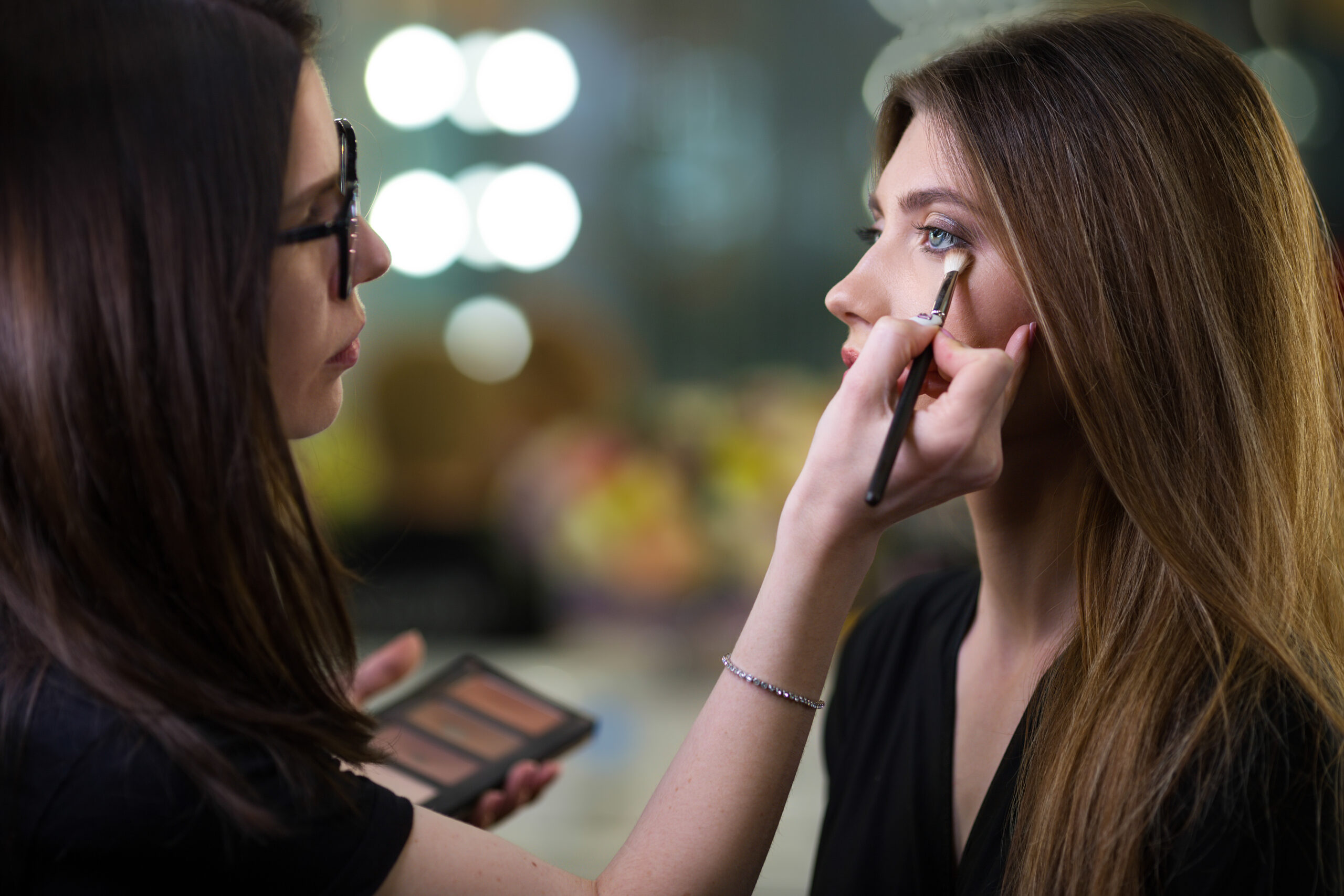
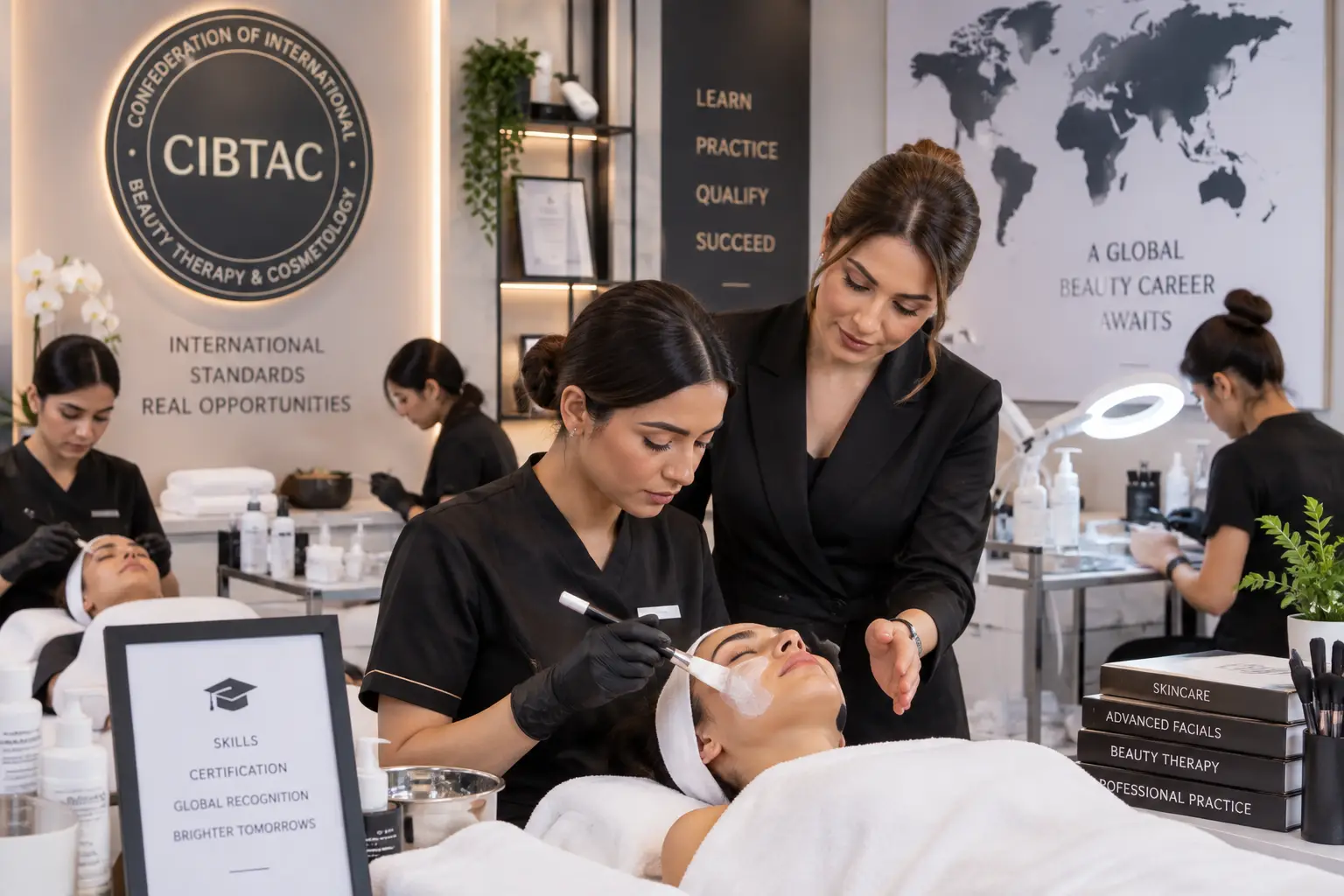
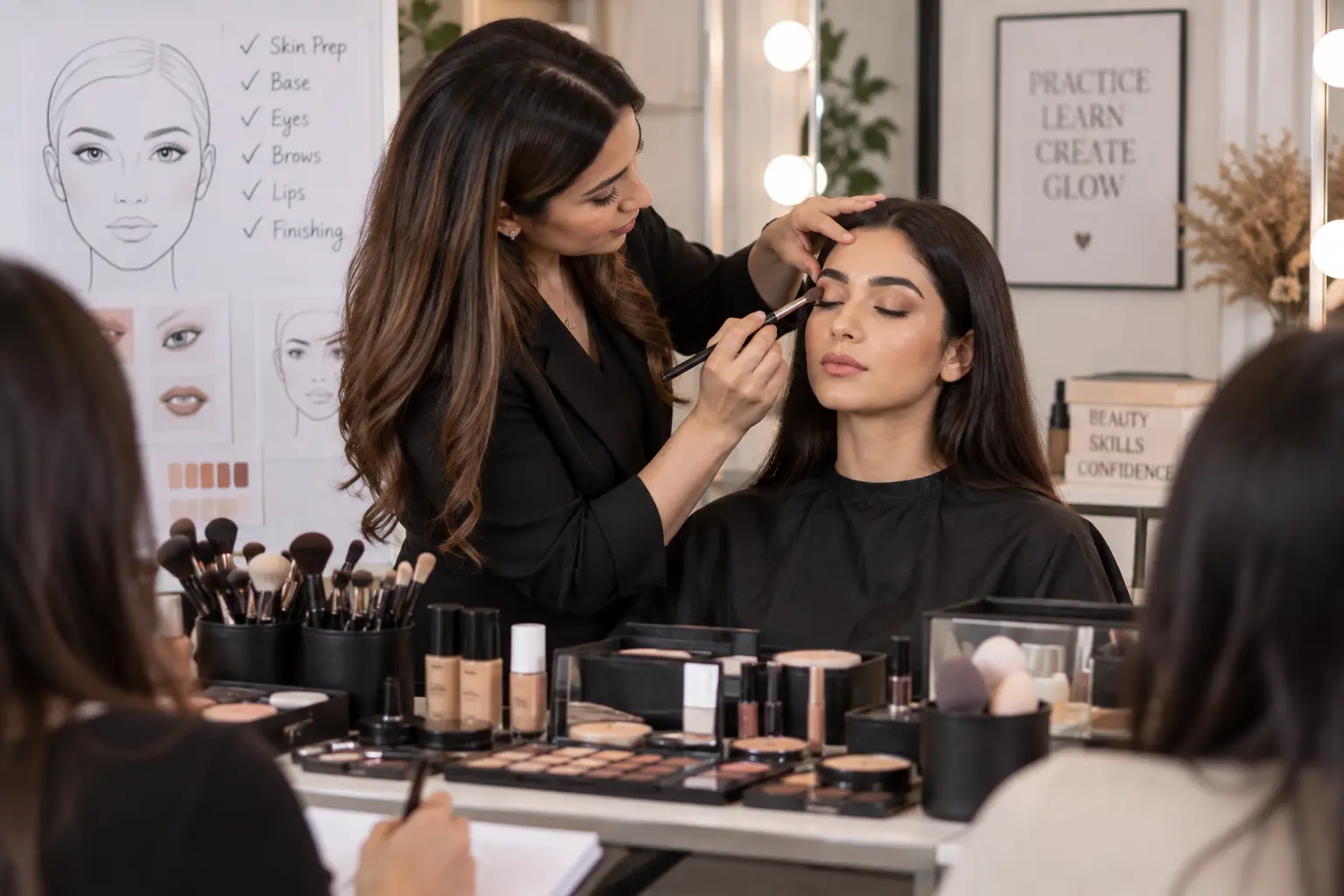
Facials, body treatments, waxing, and other core services need to be practiced extensively under supervision. The more hands on hours a course includes, the more confident and job ready a graduate will be.
Recognised Certification
Accreditation from bodies such as DHA and CIBTAC signals to employers and clients that the training meets an internationally recognised standard, which matters greatly in a competitive market like Dubai.
Career Support and Guidance
Good institutes also help students understand career paths after graduation, whether that is working in a salon or spa, joining a clinic, or eventually going freelance.
How to Evaluate Fees Properly
Instead of comparing course fees on price alone, it helps to ask a few practical questions before enrolling anywhere.
- Is the certification internationally recognised and accepted by employers
- How many practical training hours are included, not just theory hours
- Are kits, products, and materials included, or charged separately
- What is the trainer to student ratio during practical sessions
- Does the fee cover exam or certification costs, or are these additional
A course that looks cheaper on the surface can end up costing more once missing materials, exam fees, or limited practical hours are factored in. The right way to evaluate value is to look at the full package, not just the headline number.
Why the Right Institute Matters More Than the Lowest Fee
Choosing where to train has a bigger impact on your career than the fee alone. The Beauty Therapist Course Dubai at Alondra Academy is built around structured theory, extensive hands on practice, and internationally recognised certification, giving graduates a genuinely strong foundation for salon, spa, and clinic careers.
Students who want to specialise further can also explore the Facial Skin Care Course, which builds on core beauty therapy training with advanced facial and skincare techniques that are always in demand with clients.
For those focused on employability, holding a recognised Beauty Therapy Certification Dubai makes a real difference when applying to salons, spas, and clinics that require DHA and CIBTAC approved training.
Frequently Asked Questions
1. What affects beauty therapist course fees the most?
Certification level, accreditation, course duration, and whether kits and materials are included are the biggest factors that influence overall cost.
2. Are cheaper beauty therapist courses worth it?
Not always. A lower fee can mean fewer practical hours, no included materials, or certification that is not widely recognised, all of which can cost more in the long run.
3. Does accreditation affect the value of a course?
Yes. Courses accredited by bodies such as DHA and CIBTAC are more widely recognised by employers, which can directly affect job prospects after graduation.
4. Can I get an exact fee before enrolling?
Course fees depend on the specific programme, duration, and any add ons you choose, so it is best to speak directly with the academy for an accurate, personalised quote.
5. Do beauty therapist course fees usually include practical kits?
This varies by institute. Always confirm what is included in the fee, since kits and materials can otherwise become a significant additional cost.
Get a Personalised Fee Breakdown
The best way to understand beauty therapist course fees is to get a clear, personalised breakdown based on the programme that fits your goals. Reach out to Alondra Academy today to learn more about course structure, accreditation, and what is included, and take the first step toward a certified career in beauty therapy.