

Makeup has moved far beyond a hobby or a quick weekend skill. Today it is a genuine career path, and one of the most in demand corners of the beauty industry in Dubai and across the UAE. Brides want flawless looks for their big day, fashion brands need artists who understand lighting and cameras, and salons are constantly searching for talent that can deliver consistent, high quality results. This is where professional makeup training changes everything. It takes natural interest and turns it into a real, marketable skill.
If you have ever wondered what separates a hobbyist with a makeup kit from a working professional artist, the answer almost always comes down to training. In this blog, we break down what professional makeup really means, why it matters, and how the right course can set you up for a long term career in beauty.
What Does Professional Makeup Actually Mean
Professional makeup is not just about applying products well. It is about understanding skin types, face shapes, colour theory, hygiene protocols, and the specific demands of different occasions, whether that is a bridal look that needs to last twelve hours, an editorial shoot under studio lighting, or everyday glam for a client with sensitive skin. A trained makeup artist knows how to adapt technique and product choice to the person in front of them, rather than relying on trial and error.
This is exactly the gap that structured training fills. A good course does not just teach application, it teaches the thinking behind every step, so artists can problem solve on the spot rather than following a single fixed routine.
Why Formal Training Matters in a Competitive Market
Dubai’s beauty industry is fast moving and highly visible, with clients who expect salon quality results and artists who can back up their work with real credentials. Self taught skills can only take an artist so far. Formal training brings several advantages that are hard to replicate on your own.
- Structured, progressive learning that builds from fundamentals to advanced techniques
- Hands on practice under the guidance of experienced trainers, not just video tutorials
- Recognised certification that clients, salons, and employers trust
- Exposure to a wide range of skin tones, face shapes, and occasions in a controlled setting
- A stronger, more professional portfolio from day one
What a Professional Makeup Course Should Cover
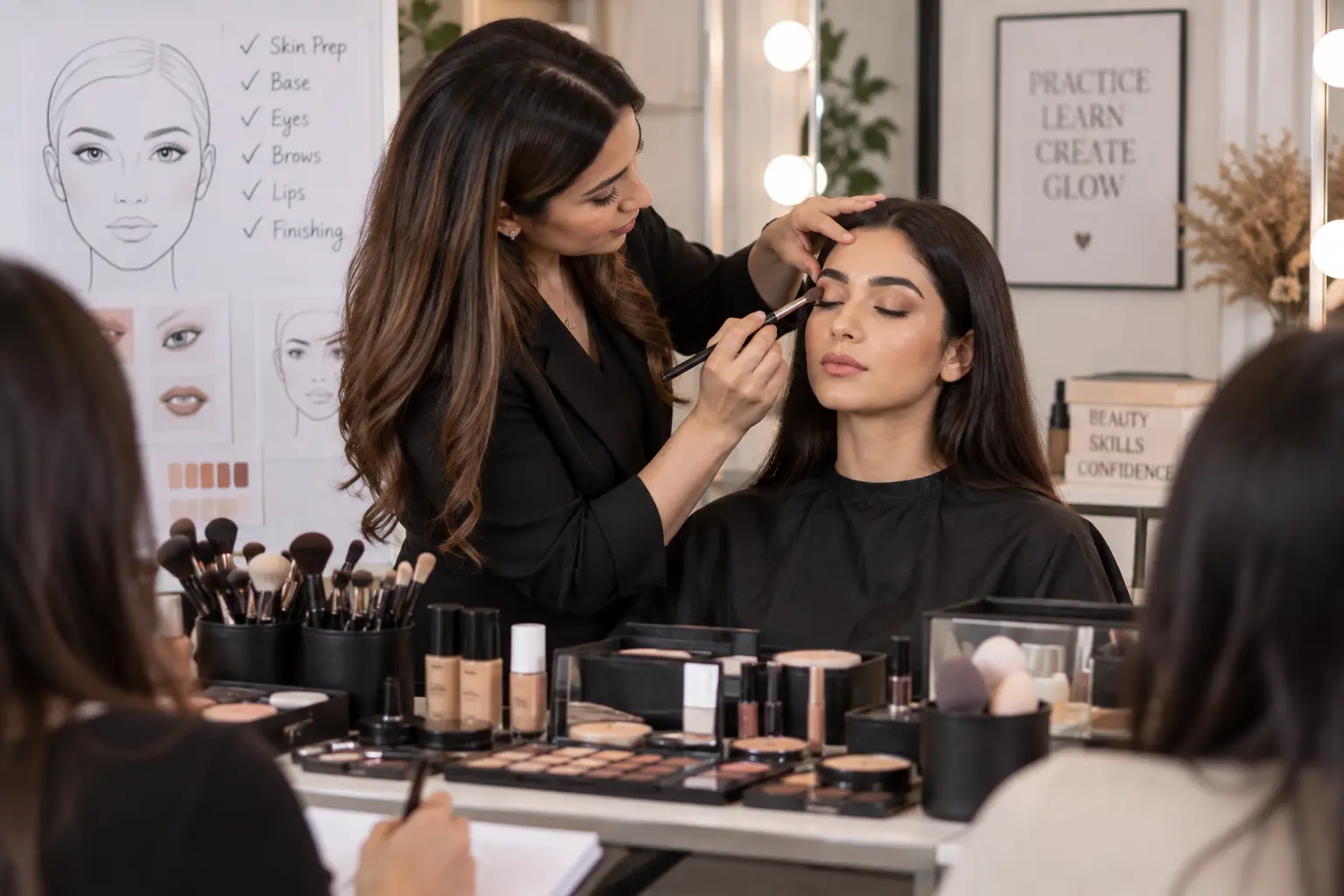
Not every makeup course is built the same way, so it helps to know what a genuinely comprehensive programme includes. Look for training that goes well beyond product application and covers the full skill set a working artist actually needs.
Skin Preparation and Colour Theory
Understanding undertones, skin texture, and how products interact with different skin types is the foundation of every good makeup look. Without this, even expensive products will not perform the way they should.
Bridal and Occasion Makeup
Bridal work is one of the most requested and highest earning services in the industry. A strong course covers long wear techniques, photography friendly finishes, and looks tailored to different cultural styles, which matters greatly in a market as diverse as Dubai.
Editorial and Creative Makeup
For artists interested in fashion, film, or content creation, training should also cover bolder, creative techniques and how makeup translates differently on camera compared to in person.
Hygiene, Sanitation, and Professional Conduct
Professional standards matter, especially in the UAE where health and hygiene regulations are taken seriously. Proper training instills habits that protect both the client and the artist’s reputation.
Career Opportunities After Professional Makeup Training
One of the biggest advantages of investing in structured training is the range of career paths it opens up. Graduates are not limited to a single type of work, they can move between different corners of the beauty industry as their interests and experience grow.
- Freelance makeup artist for weddings, parties, and private clients
- In house artist at a salon, spa, or beauty clinic
- Editorial and fashion makeup artist for shoots and shows
- Makeup artist for film, television, and content creation
- Building a personal brand and client base through social media and referrals
Many artists also choose to combine makeup with complementary skills such as semi-permanent makeup or eyelash treatments, which allows them to offer a wider range of services and increase their earning potential.
Why Train at Alondra Academy
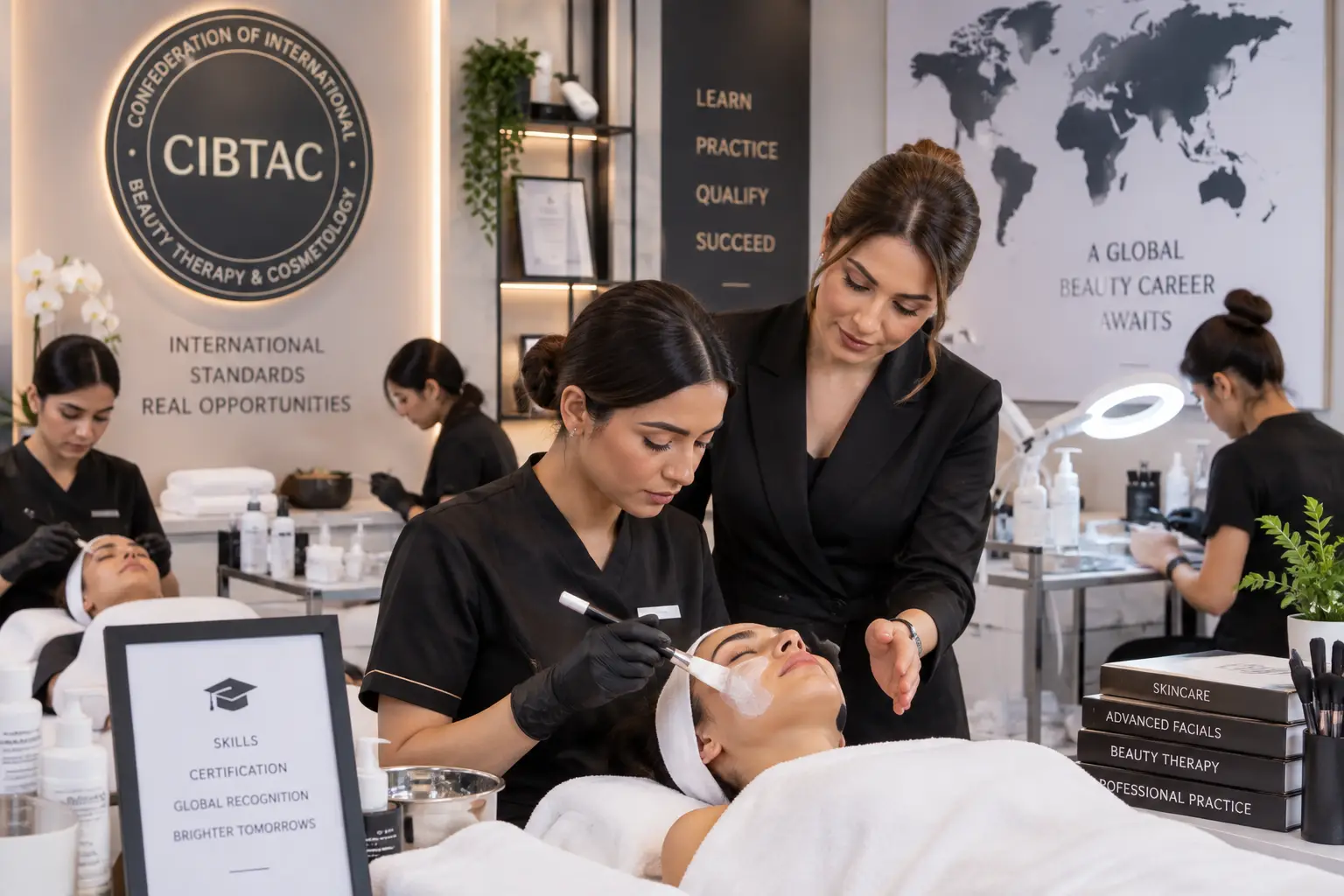
Alondra Academy is a DHA and CIBTAC approved training institute in Dubai, known for hands on, practical education across beauty therapy, makeup, and semi-permanent makeup. Courses are led by experienced trainers who work directly with students to build real, applicable skill, not just theory.
For anyone serious about a career in makeup artistry, the Makeup Course at Alondra Academy is designed to take students from the basics through to advanced bridal and editorial techniques, with real hands on practice throughout.
If your goal is a broader, all round foundation in beauty, the Beauty Therapy Course Dubai covers skincare, treatments, and holistic beauty practices alongside makeup fundamentals, giving graduates a well rounded skill set for salon and spa careers.
Artists who want to specialise further often go on to explore the Microblading Course, which pairs naturally with makeup artistry and allows graduates to offer semi-permanent brow services alongside traditional makeup application.
Frequently Asked Questions
1. Do I need prior experience to join a professional makeup course?
No. Most courses, including those at Alondra Academy, are designed to take students from beginner level through to professional standard, with training structured to suit both newcomers and those with some existing skill.
2. How long does it take to become a professional makeup artist?
This depends on the course structure, ranging from short intensive workshops to full diploma level programmes. Longer, more comprehensive courses generally prepare graduates for a wider range of professional work.
3. Is certification important for makeup artists in Dubai?
Yes. Certification from a recognised, approved institute builds client trust and can be an important factor when applying to work with salons, spas, or beauty clinics.
4. Can I work as a freelance makeup artist after training?
Absolutely. Many graduates choose freelance work, building a client base for bridal, event, and editorial makeup, while others prefer the stability of an in house role at a salon or clinic.
5. What makes professional training different from watching online tutorials?
Hands on practice under expert guidance, personalised feedback, and exposure to a variety of skin types and occasions are things online tutorials simply cannot replicate.
Ready to Start Your Makeup Career?
Professional makeup is a skill built through proper training, real practice, and expert guidance, not shortcuts. If you are ready to turn your passion into a career, explore the Makeup Course at Alondra Academy today and take the first step toward becoming a certified, in demand makeup artist in Dubai.